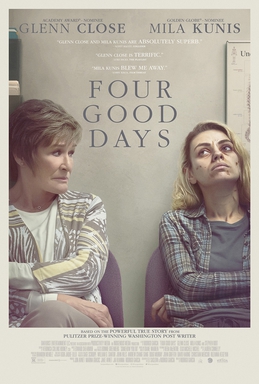
Four Good Days Review: A Flawed Yet Unforgettable Addiction Drama
Four Good Days plunges viewers into the harrowing reality of addiction and its ripple effect on families, specifically through the tumultuous relationship between a mother and her adult daughter. Directed by Rodrigo García (known for
Albert Nobbs), this film, based on a true story recounted by Pulitzer Prize-winning journalist Eli Saslow, is a raw and often uncomfortable watch. It chronicles the agonizing journey of 31-year-old Molly, battling a decade-long heroin addiction, and her estranged mother, Deb, who, despite years of heartbreak, embarks on one last desperate attempt to save her. Anchored by visceral performances from Mila Kunis and Glenn Close,
Four Good Days is a testament to unwavering love, shattered trust, and the relentless grip of a merciless disease. While it may stumble in certain narrative aspects, its emotional resonance and powerful portrayals ensure it leaves a lasting, indelible mark.
The Raw Heart of the Story: A Mother's Desperate Plea
The film's premise is as simple as it is devastating: Molly (Mila Kunis) arrives on her mother Deb’s (Glenn Close) doorstep, gaunt, trembling, and utterly broken by her addiction. She needs help, truly needs it this time, and Deb, against every instinct honed by a decade of disappointments, anger, and grief, agrees to try one more time. The "four good days" in the title refer to the critical period Molly must remain sober to qualify for an antagonist shot that could block the effects of opioids for an extended period, offering a crucial window for recovery. This intense, confined timeframe builds immense pressure, not just on Molly to resist her cravings, but also on Deb to trust a daughter who has betrayed her countless times before.
From the very first scene, the film establishes its unflinching tone. Molly’s physical state is shocking – rain-thin, pale, and struggling to articulate words, her body a battlefield scarred by addiction. It’s a stark visual representation of the demons she battles daily. Deb, on the other hand, embodies the exhaustion and deep-seated pain of a parent who has given everything, only to watch it crumble repeatedly. Their dynamic is the beating heart of
Four Good Days, a poignant exploration of how addiction erodes not just the individual, but the very fabric of family love and trust. The film masterfully portrays the push-and-pull, the accusations and apologies, and the fleeting moments of connection that punctuate their strained existence. For a deeper dive into the real-life inspiration behind this compelling narrative, consider reading
Four Good Days: The True Story Behind a Mother-Daughter Addiction Battle.
Performances That Anchor the Turmoil: Close and Kunis
The strength of
Four Good Days undeniably rests on the shoulders of its two lead actresses, Glenn Close and Mila Kunis. Their "powerhouse performances" elevate the material, transforming what could have been a standard addiction drama into something far more profound and personal.
Mila Kunis, in particular, delivers a transformative performance as Molly. Initial impressions might lead some to believe she's overacting in her portrayal of a strung-out addict. Her contorted expressions, shaking hands, and almost stuttering speech in the opening moments could feel jarring to those accustomed to her more comedic roles. However, as the film progresses, Kunis completely sheds any lingering vestiges of characters like Jackie from
That '70s Show, proving her immense dramatic range. She embodies Molly’s fragility, her cunning, her profound shame, and her desperate longing for a different life with unsettling authenticity. Her physical and emotional commitment to the role is remarkable, making Molly's struggle feel terrifyingly real.
Glenn Close, as Deb, is equally compelling. She brings a nuanced intensity to the role of a mother torn between fierce love and self-preservation. Some critics have suggested her casting as Deb might be a "miscasting," perhaps expecting a more conventionally maternal or vulnerable portrayal. Yet, Close’s inherent strength and gravitas infuse Deb with a weary resilience that feels incredibly authentic for a mother who has endured a decade of this hell. She conveys the deep scars of past betrayals, the guarded hope, and the sheer exhaustion of her situation with every glance and every strained interaction. The tension between her desire to help and her need to protect herself from further heartbreak is palpable. The raw chemistry and complex dynamic between these two actresses are what truly drive the film, capturing the essence of a love that is both unbreakable and deeply wounded. To further appreciate their incredible work, explore
Glenn Close & Mila Kunis: Powerhouse Performances in Four Good Days.
Navigating the Flaws: Screenplay, Pacing, and Perceived Missteps
While the performances are undoubtedly stellar,
Four Good Days isn't without its narrative imperfections. Some viewers may find themselves "struggling with its flimsy screenplay," noting instances where the dialogue or character motivations might feel less robust than the weighty subject matter demands. The pacing, at times, can feel uneven, especially given the confined, repetitive nature of the "four good days" timeline. The film attempts to delve into the complexities of their past and the cycle of addiction, but some of these explorations feel underdeveloped, relying heavily on the actors to convey unspoken history rather than through tightly woven dialogue.
One particular point of contention for some is the film's "peculiar ending." Without giving away specifics, the conclusion may not offer the neat, cathartic resolution that audiences often crave in addiction dramas. This might leave some viewers feeling unsatisfied or even confused. However, it's crucial to consider that this lack of a definitive "happy ever after" could also be seen as a strength, mirroring the unpredictable and often lifelong struggle that is recovery. Real-life addiction rarely offers tidy conclusions, and the film's refusal to sugarcoat this reality could be interpreted as a courageous artistic choice, even if it leaves a lingering sense of unease. Rodrigo García, a director who often explores intricate human relationships, crafts a narrative that sometimes feels more like a raw, unfiltered slice of life than a perfectly polished cinematic experience. These perceived flaws, ironically, are what make the film stick with you; they contribute to its raw, unvarnished depiction of a battle that is inherently messy and unpredictable.
The Unforgettable Impact: Why "Four Good Days" Lingers
Despite its narrative imperfections and the challenging nature of its subject,
Four Good Days possesses an undeniable and unforgettable impact. It's the kind of "heaving-hitting addiction drama" that stays with you long after the credits roll, prompting introspection and fostering a deeper understanding of the realities faced by individuals and families grappling with substance abuse. The film doesn't offer easy answers or glamorous portrayals of recovery; instead, it presents the grueling, day-to-day struggle with an honesty that is both painful and vital.
What makes it so memorable is its ability to evoke genuine empathy, even when the characters make frustrating choices. It lays bare the psychological toll of addiction – the manipulation, the broken promises, the erosion of trust – but also the tenacious hope that persists against all odds. Viewers are invited into the uncomfortable intimacy of Molly and Deb’s battle, witnessing the raw emotions of anger, resentment, fear, and an enduring, if fractured, love. This emotional honesty is why, as one reviewer noted, the film "stuck with me so much that I wanted to go home immediately after watching it to review it." It's not remembered for its flaws in a negative light, but rather for its courageous portrayal of a very real crisis and the powerful performances that bring it to life. The film challenges preconceptions, forcing an acknowledgment of the relentless nature of addiction and the profound resilience required from everyone involved.
Beyond the Screen: Understanding Addiction and Support
Four Good Days serves as more than just entertainment; it's a stark reminder of the widespread impact of addiction and the immense challenges faced by those seeking recovery, as well as their loved ones. Molly's story, rooted in a true account, highlights several critical aspects of addiction that extend beyond the movie screen:
* **Addiction is a Disease, Not a Moral Failing:** The film subtly underscores that Molly's struggles are not simply a lack of willpower but symptoms of a chronic disease that rewires the brain. Understanding this is crucial for empathy and effective treatment.
* **The Power of Family Support (and its Limitations):** Deb's unwavering, yet deeply conflicted, support for Molly exemplifies the complex role family members play. While love is essential, professional intervention and boundaries are equally vital.
* **Recovery is a Journey, Not a Destination:** The "four good days" represent a crucial step, but the film implicitly reminds us that recovery is a continuous process, fraught with potential relapses and ongoing challenges.
* **The Emotional Toll on Caregivers:** Deb's exhaustion and emotional scars are a poignant reflection of the toll addiction takes on family members. It's imperative for caregivers to also seek support for themselves.
If you or someone you know is struggling with addiction, remember these actionable insights:
1. **Seek Professional Help:** Addiction is complex and often requires a multi-faceted approach involving medical detox, therapy, and ongoing support.
2. **Educate Yourself:** Understanding the nature of addiction can help break down stigma and foster more effective support strategies.
3. **Establish Healthy Boundaries:** For family members, setting boundaries, though difficult, is essential for both your well-being and to prevent enabling behaviors.
4. **Find Support Networks:** Resources like Al-Anon or Nar-Anon provide invaluable support for families of individuals struggling with addiction, offering a safe space to share experiences and coping strategies.
5. **Practice Patience and Persistence:** Recovery is rarely linear. There will be setbacks, but consistent effort and unwavering, yet healthy, support can make a significant difference.
In conclusion,
Four Good Days is not a perfect film, but its imperfections are often overshadowed by its profound emotional impact and the raw, unforgettable performances of Mila Kunis and Glenn Close. It’s a challenging, honest portrayal of a mother and daughter fighting to reclaim their lives from the clutches of addiction, leaving viewers with a deeper understanding of this harrowing struggle. While it might not grace every "Top Ten Movies of the Year" list, its unflinching gaze into the heart of a family fractured by addiction ensures it will be remembered, and not for the wrong reasons.